

Plot
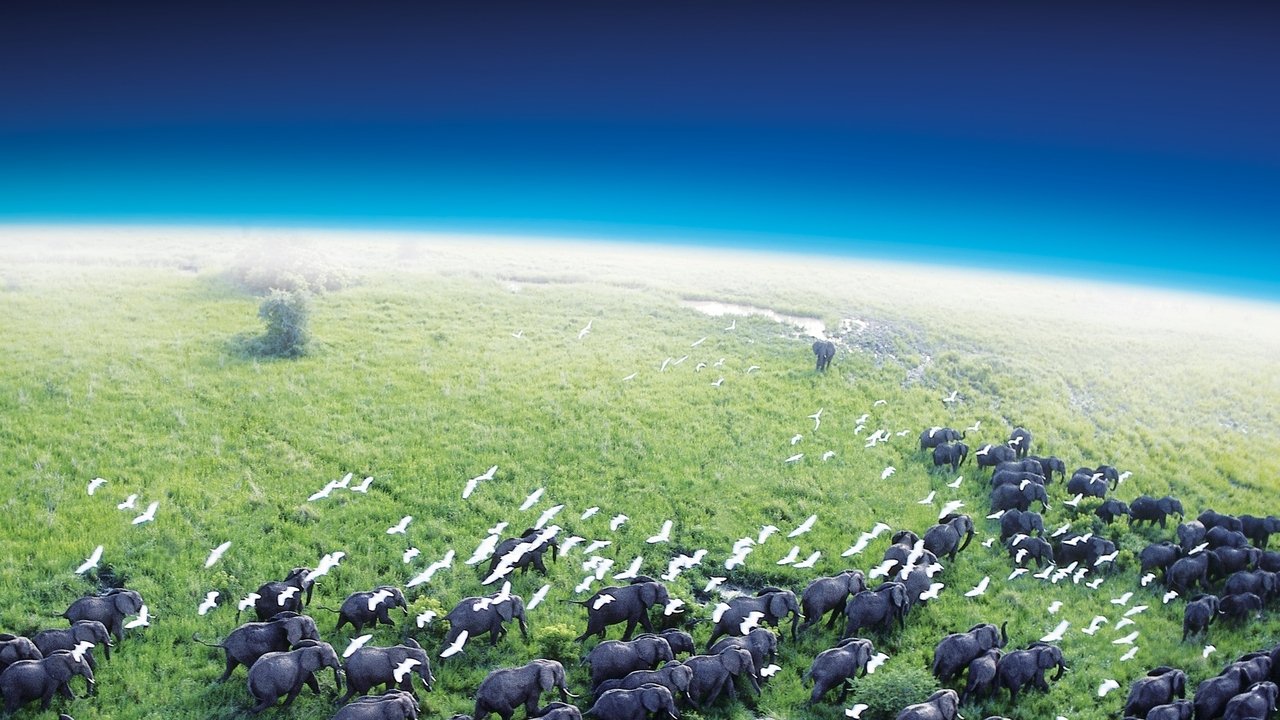
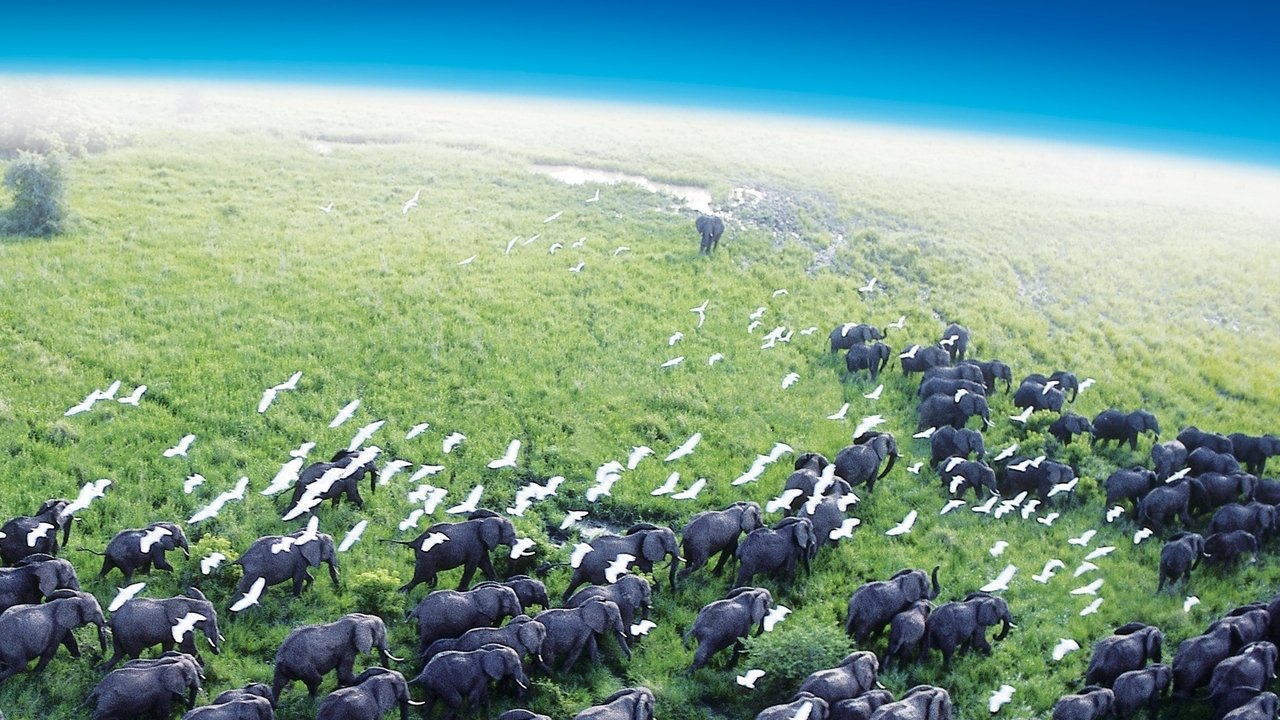
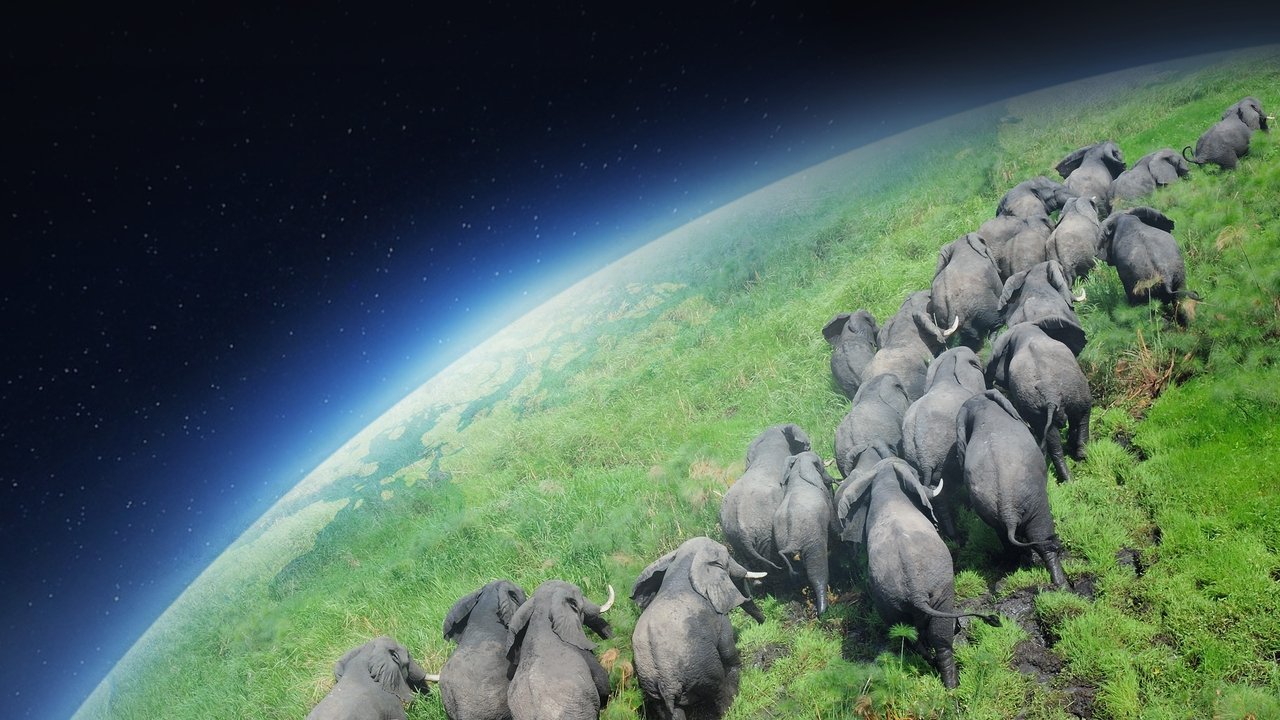
David Attenborough celebrates the amazing variety of the natural world in this epic documentary series, filmed over four years across 64 different countries.
Also known as: BBC Planet Earth


New Zealand: not available to stream yet
Streaming data by JustWatch via TMDB. Catalogs change, so check the service before you subscribe.
David Attenborough celebrates the amazing variety of the natural world in this epic documentary series, filmed over four years across 64 different countries.

Planet Earth Trailer - The Complete Series · Watch on YouTube
In airing order. Open a season to see every episode.

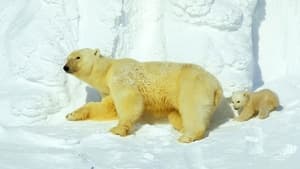
A global tour examining the behaviors of animals and revealing the effects of climate change on their environments.
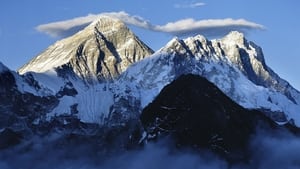
An exploration of the world's major mountain ranges and the habitats they create.
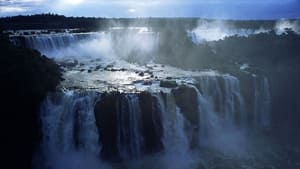
Although merely 3% of water on earth, fresh water plays an important part in the planet's weather and erosion. It is immensely important for all non-marine wildlife, which drinks fresh water and swims, procreates, hunts in it.
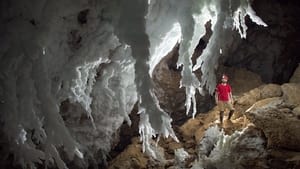
Although often overlooked, caves are remarkable habitats with bizarre wildlife. Explore the structures created inside the earth as well as the adaptations animals have made to thrive in these environments.
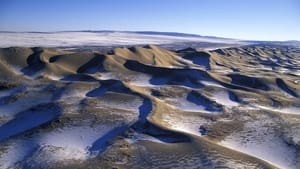
Despite the lack of rain, deserts are the most varied of our ecosystems. In fact, about thirty percent of the earth's land surface is covered in desert. Explore the unique conditions present in deserts as well as the survival mechanisms developed by the animals that inhabit them.
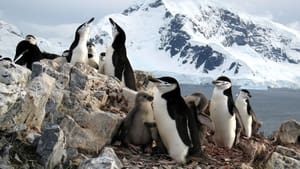
Experience life in the most hostile corners of the planet by exploring the terrain, seasons, and animals of the Arctic and Antarctic.
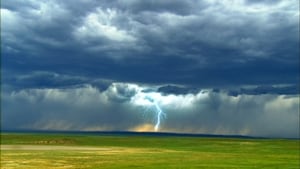
This episode deals with savanna, steppe, tundra, prairie, and looks at the importance and resilience of grasses in such treeless ecosystems. Their vast expanses contain the largest concentration of animal life.
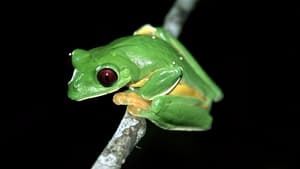
Jungles cover roughly three percent of our planet yet contain fifty percent of the world's species. Experience the countless flora and fauna that inhabit these unique areas.
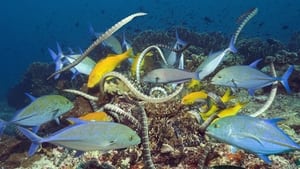
A look at the shallow seas of the earth, from coral reefs to kelp forests and beyond.
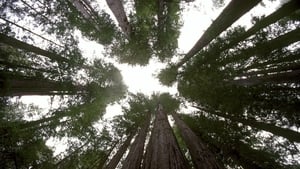
Trees are Earth's largest organisms and are also one of the planet's oldest inhabitants. Seasonal forests (unlike tropical rain-forest) are the largest land habitats. A third of all trees grow in the endless taiga of the Arctic north.
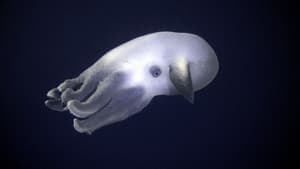
An exploration of the deepest, darkest realms of the ocean, spanning countless species to a depth of 2,000 meters.

Using the unique overhead heli-gimble camera the crew set out to film a pack of African wild dogs hunting in the Okavango Delta. It came down to the final hour of the final day of filming before they got the shot they wanted.

Over the course of three years the Planet Earth team tried to film the elusive Snow Leopard deep in the mountains of Pakistan. Their patience was eventually rewarded with the world's first footage of a Snow Leopard hunting.

Cameraman Peter Scoones is on a mission to film Piranha in the wetlands of Brazil. They are considered the most dangerous freshwater fish, but prove difficult to track down, until Peter finally finds himself immersed in a feeding frenzy.

The team spend a month amongst an enormous mound of bat guano in Gomantong Cave as they film the hundreds of thousands of cockroaches and other inhabitants that live there. The amazing Lechuguilla Cave of New Mexico provides a whole other set of challenges.

The Gobi desert is home to the last truly wild Bactrian camels and their fear of humans makes them extremely difficult to capture on film. After weeks of trying the crew were becoming frustrated, but their expert local tracker wouldn't let them down.

Cameraman Wade Fairley braved temperatures of minus 50C and near hurricane force winds as he filmed a breeding colony of 20,000 emperor penguins in the Antarctic.

Lions hunting elephants has only ever been seen by a handful of people, so the crew were up against it when trying to film this rare behaviour.

It took the Planet Earth team over eight weeks in the field to film less than 15 minutes of footage of the beautiful but seldom seen Birds of Paradise in the highlands of Papua New Guinea.

Great white sharks capture their slippery seal prey by rocketing out of the depths and delivering a massive hit at the surface. To record a breach like this in ultra slow motion, which in real-time lasts just a second, was a supreme challenge for cameraman Simon King.

…

The camera team of Doug Anderson and Rick Rosenthal were determined to film oceanic whitetip sharks without a cage, relying only on observation, nerves and experience to dictate how long they stayed underwater in their company.

Many of the animals featured in the Planet Earth series are endangered so do we face an extinction crisis?

Pollution, climate change and a growing human population are all putting pressure on Earth's wildernesses including the Bialowieza forest, the Gobi Desert and the Arctic tundra. So how much of the planet is still wilderness? And why should we care?

This history of conservation throws up some interesting ideas as we look to the future of an ever more populated planet. How can conservation fit into this new world driven by economics and development?
The making of the sprawling, ambitious series is documented.
…

Originally aired under BBC Natural World Collection. Many years ago lions thrived in the deserts of Namibia's Skeleton Coast, until they were exterminated by man.

Originally aired under BBC Natural World Collection. The BBC Natural History Unit explores a secret cave deep in the mountains of Pakistan where generations of snow leopards return each year to raise their young.

The Planet Earth team reveal their most memorable moments from the making of the series. We'll discover their high points, and their not so high points. And they'll tell us which sequences they consider to be their great Planet Earth moments. From the

The freshwater pools that dot Mexico's Yucatan peninsula were believed by the Mayans to be portals to the underworld. For the first time ever, the BBC Natural History Unit explores this incredible, labyrinthine system of underground rivers.

Follow the struggle for survival of two female elephants trying to raise their young in one of the harshest climates on Earth.
…
…

…
Directed by: Alastair Fothergill · Written by: Gary Parker, David Attenborough, Vanessa Berlowitz, Alastair Fothergill
5 stills (1 in 4K) and 12 posters. Tap to enlarge; stills can be downloaded in full size.
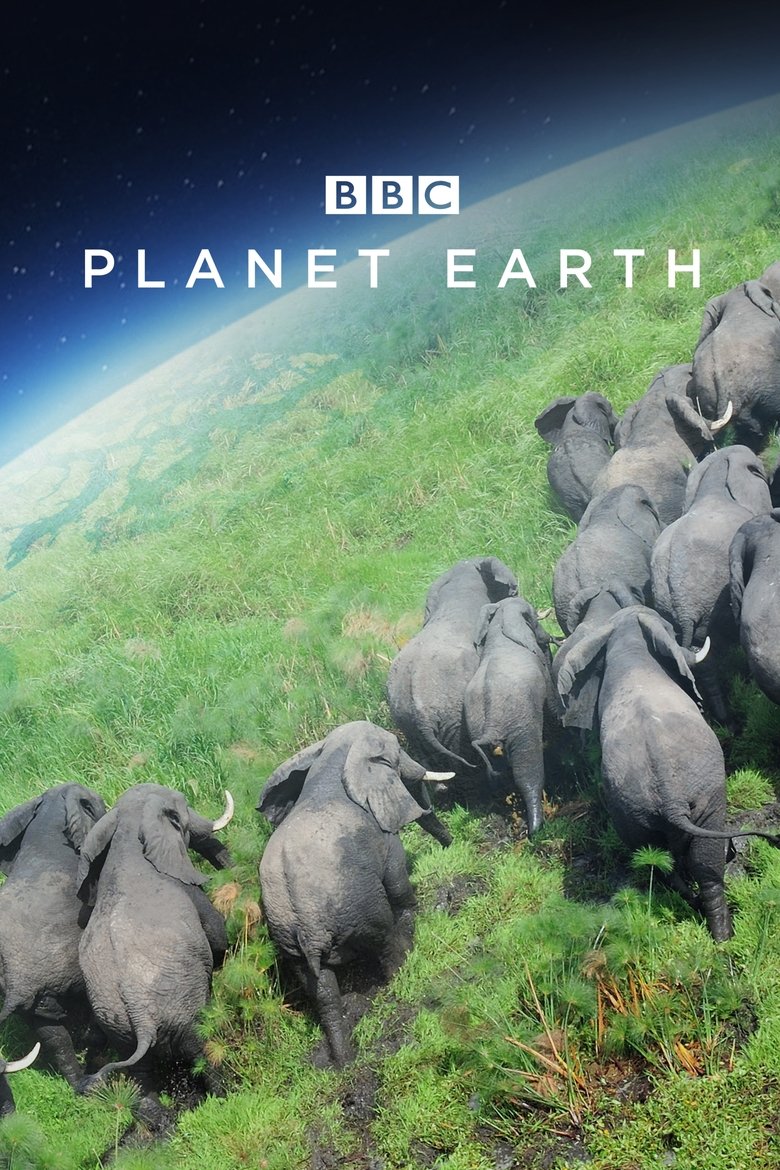


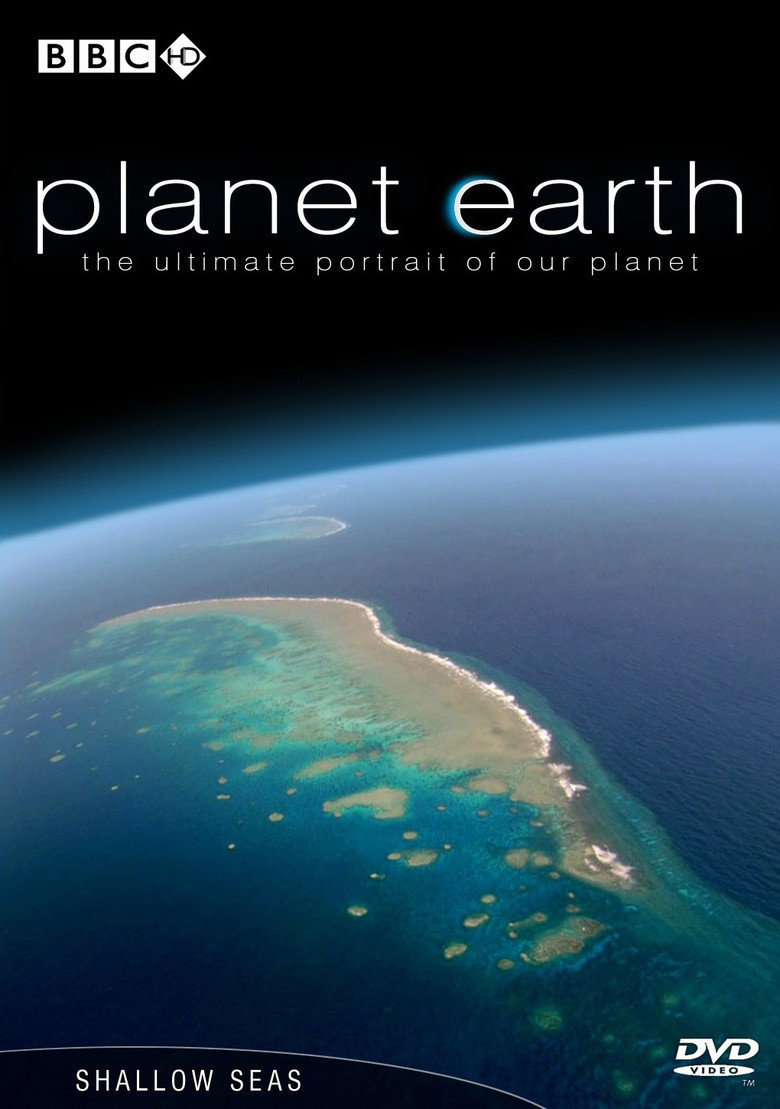


HBO Max, Philo and Discovery+ with a subscription; rent or buy on Amazon, Apple TV and more.
Canada: Discovery +, Discovery+ and WeTV with a subscription; rent or buy on Apple TV; UK: Sky Go with a subscription; rent or buy on Apple TV and Sky Store; Singapore: HBO Max and WeTV with a subscription; Malaysia: HBO Max and WeTV with a subscription.
1 season and 11 episodes so far (as of Nov 15, 2026).
No. TMDB lists the show as ended after 1 season.
 Our Planet2019
 Planet Earth II2016
 Life2009
 Seven Worlds, One Planet2019
 Planet Earth III2023
 Dynasties2018
 Tiny World2020
 NOVA1974
 The Blue Planet2001
 Night on Earth2020
 Life on Our Planet2023
 Trailer
 David Attenborough